Virginia student's math model shows five extra sensors could boost earthquake coverage
In short
- Isabel Rossi, 14, of Williamsburg, Virginia, is one of 30 finalists in a national science competition.
- Her six-month project used California earthquake records and math methods to find better sensor locations.
- In simulations, adding just five sensors raised detection coverage by 16.7%.
Why the Good News Desk likes this one
The result comes from simulations, not from installed sensors, so it shows a method rather than a proven gain. Its value depends on whether seismologists test it against real networks. It also shows a student reaching the finals of a national competition with a project built on public earthquake data.
From Times of India
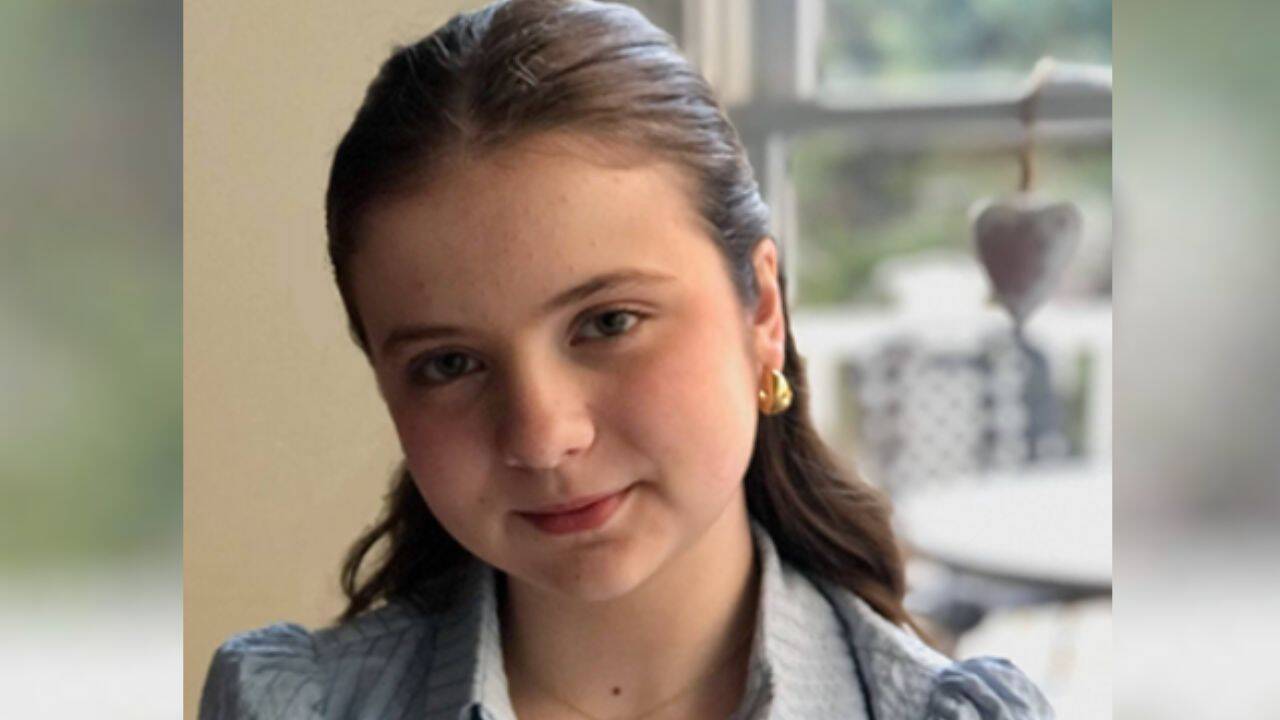
A 14-year-old student from Williamsburg, Virginia, has become one of 30 finalists in a national science competition after developing a mathematical model to improve earthquake sensor placement. Isabel Rossi's six-month research project showed that adding just five sensors could increase simulated detection coverage by 16.7%. She used earthquake records from California and mathematical methods to identify better sensor locations.
Ask this story
For kids
A girl named Isabel is 14 years old and loves math. She used math to figure out where earthquake sensors should be placed. Her idea showed that five more sensors could help catch 16.7% more practice earthquakes in a computer model. Why do you think it helps to put sensors in the right places?