Scientists find why marmoset brains stay small and smooth
In short
- Common marmosets have small, smooth brains even though they start development like other primates.
- The difference comes from subtle changes in brain-building cells that slow neuron production.
- The findings may help explain how the large, folded human brain evolved.
Why the Good News Desk likes this one
The study points to a specific change in brain-building cells that slows neuron production. It gives researchers a clearer way to ask how the folded human brain came to be. This is basic research, so it does not yet point to a treatment.
From ScienceDaily
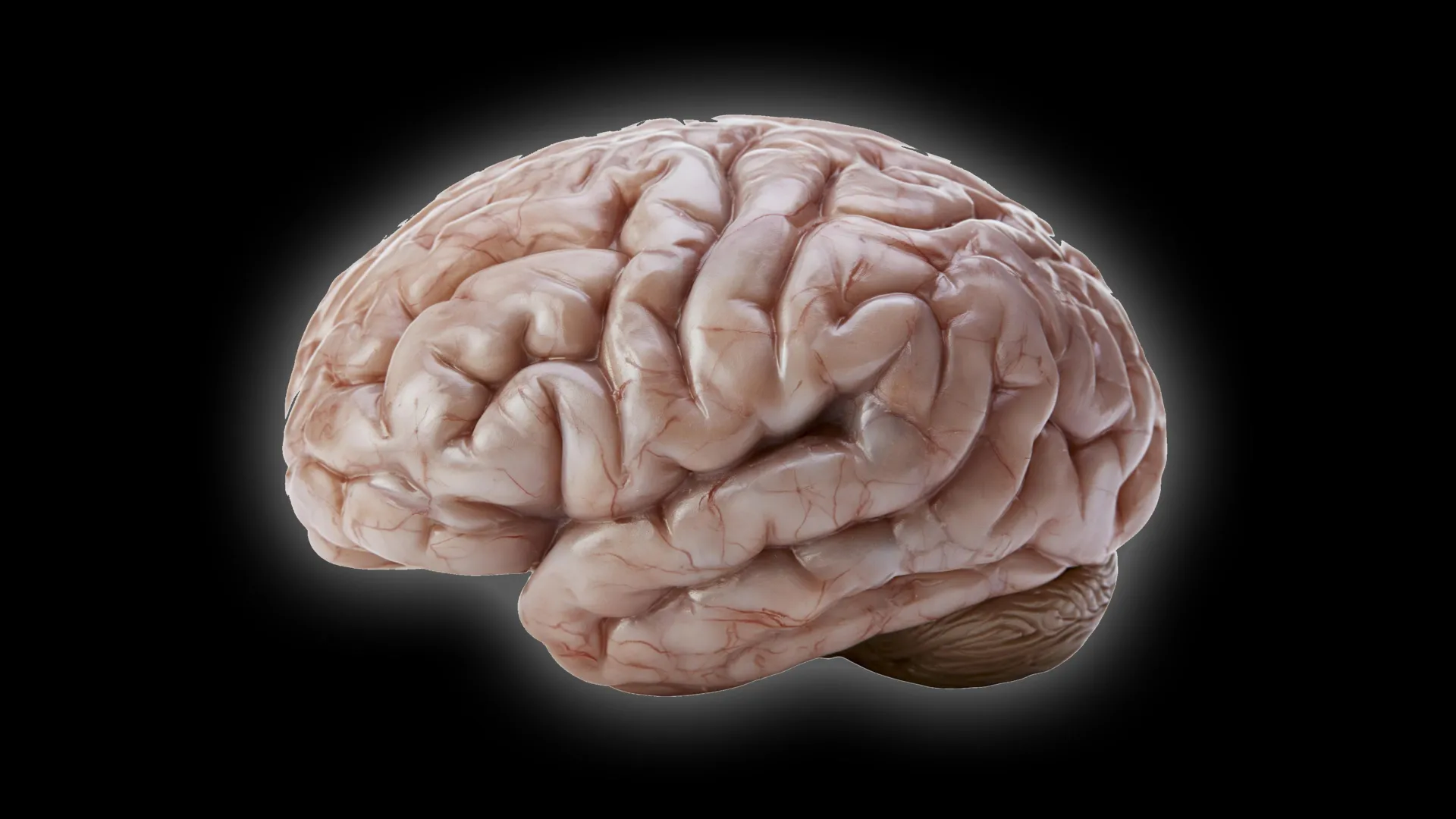
Scientists have discovered why common marmosets have unusually small, smooth brains despite starting development much like other primates. The secret lies in subtle changes to brain-building cells that slow neuron production, revealing new clues about how the large, folded human brain evolved.
Ask this story
For kids
Scientists studied tiny monkeys called marmosets. They found that small changes in special brain-building cells make their brains small and smooth. This helps us learn how human brains became big and wrinkled over a very long time. Talk about it: why do you think our brains have so many folds?