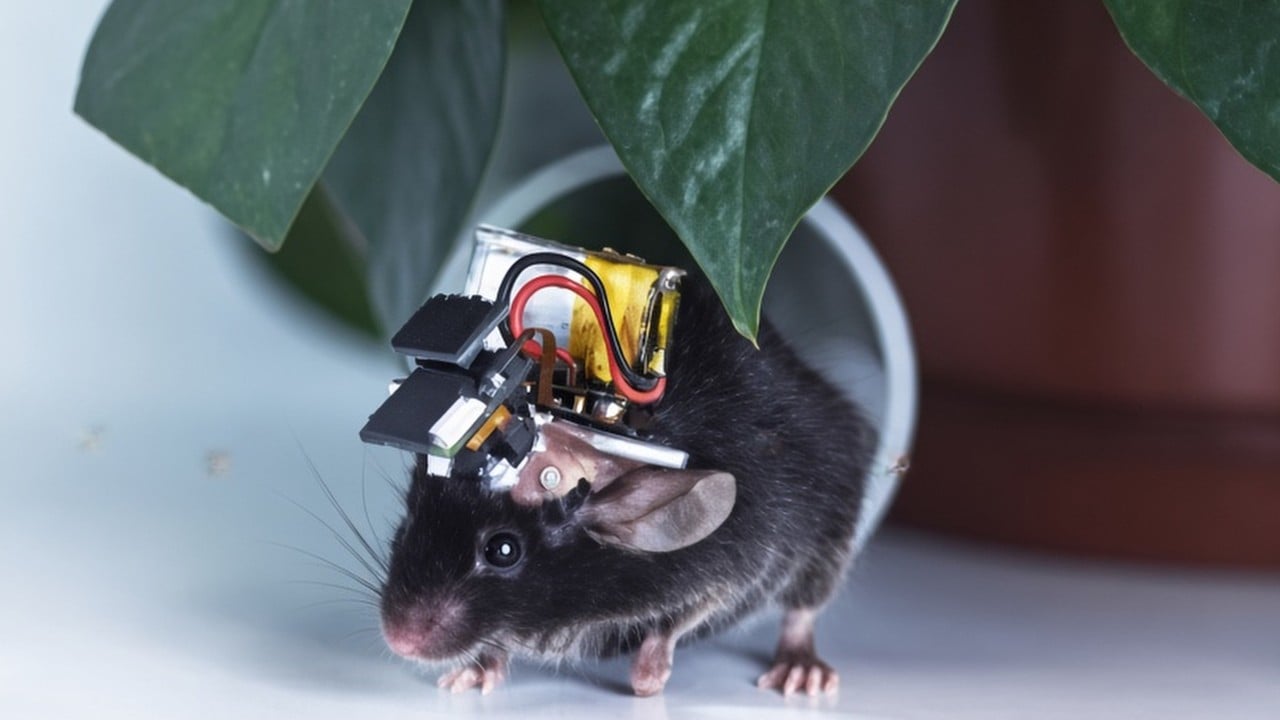
Chinese scientists find neurons may work as minicomputers in mice
In short
- A team in China studied mice and found the first experimental evidence that dendrites can combine learned rules with sensory input.
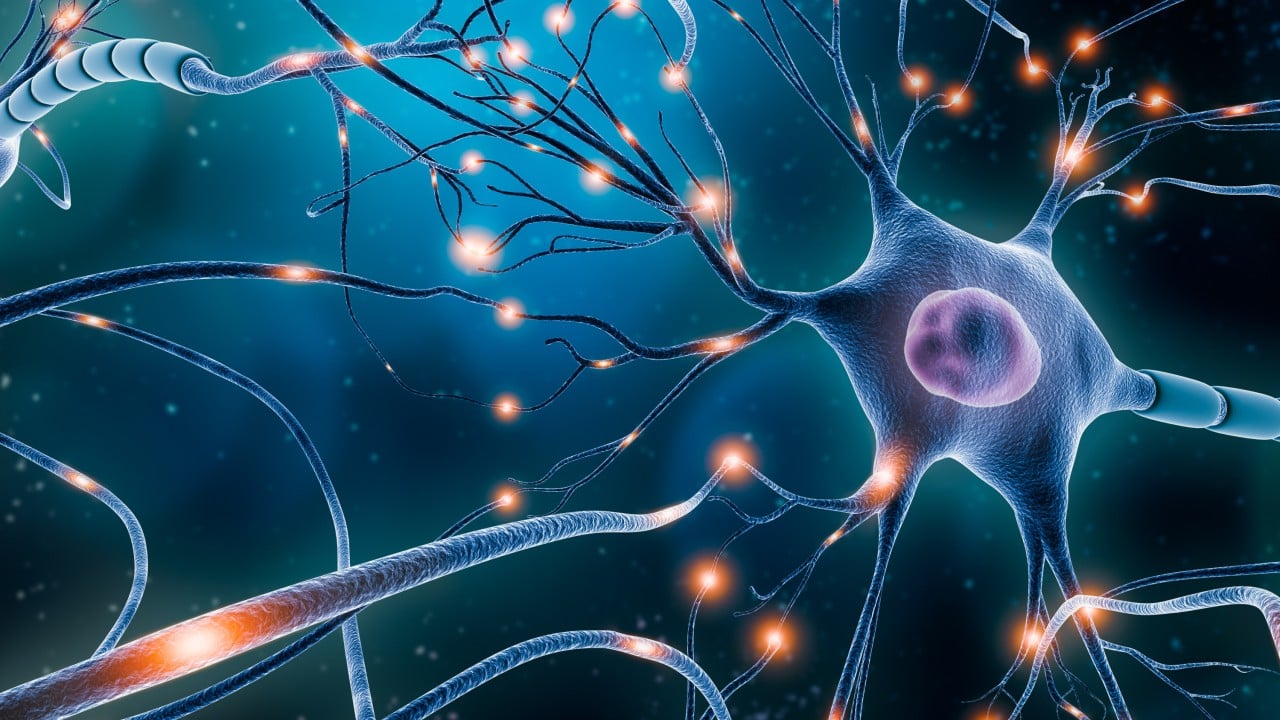
- Dendrites are branchlike structures attached to neurons.
- The work is basic research, so it does not yet point to a treatment.
Why the Good News Desk likes this one
Scientists have not fully explained how brains adapt to changing situations. This study suggests single neurons do more than relay signals, since their branches can act like small computers. The finding is at an early stage and rests on mouse experiments, so its value lies in shaping future research.
From South China Morning Post
Chinese scientists have found evidence that individual neurons can act like powerful minicomputers that enable flexible behaviour such as making decisions. Scientists do not have a complete understanding of how our brains adapt to changing contexts to respond appropriately to sensory information. But by studying mice, the team obtained the first experimental evidence that dendrites – branchlike structures attached to neurons – can integrate learned rules with incoming sensory inputs to drive...
Ask this story
For kids
Inside your head are tiny cells called neurons. Scientists in China found that the branches on these cells may help them make smart choices. They tested this in mice, so there is still much more to learn. Why do you think it helps to have many small parts working together?