Bleached Corals May Recover After Touching Healthy Clones
In short
- A coral colony is often made of tiny, genetically identical animals.
- New research suggests a bleached fragment can revive within weeks after contact with a thriving clone.
- The finding offers a possible route to help heat-damaged reef ecosystems.
Why the Good News Desk likes this one
Marine heatwaves have turned many reefs pale, and bleached coral can die if it stays that way. The new research suggests a healthy clone can help a bleached fragment recover within weeks. The findings are early, so the method's reach across reefs is not yet known.
From Smithsonian
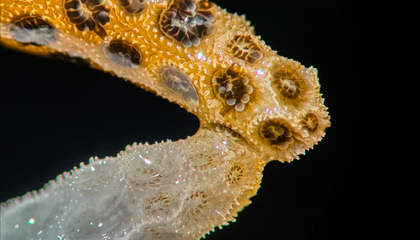
A coral is often a colony of tiny, genetically identical animals. New research suggests that when a bleached coral fragment comes into physical contact with a colorful, thriving clone, the pale one can revive within weeks
Ask this story
For kids
Corals are small animals that live together in groups. Scientists found that a sick coral can get better when it touches a healthy coral that is exactly like it. Coral reefs are homes for many fish and other sea creatures. What do you think helps you feel better when you are unwell?
📜 The story so far
- 17 Oct 2026 Bleached Corals Recover in Seven Weeks in Stanford Lab Where it started.
- 18 Oct 2026 Scientists find a way to revive bleached coral in weeks The Stanford coral recovery result is now described as a faster method, with bleached corals reviving after brief contact with healthy clones.
- 19 Oct 2026 Touching healthy coral can revive bleached coral in seven weeks The lab study now identifies touch from healthy, genetically identical corals as the mechanism behind the bleached corals' recovery.
- 20 Oct 2026 Bleached Corals May Recover After Touching Healthy Clones Bleached corals are now shown to recover within weeks by touching healthy clones, a new mechanism beyond the earlier lab reversal.