Archaeologists Uncover Remains of a Blocked Glasgow Footpath Wall
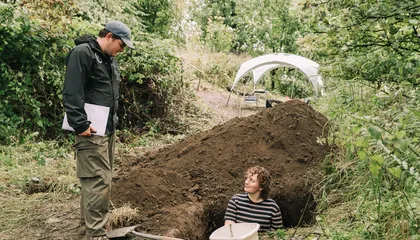
In short
- Harvie's Dyke was two stone walls built in the 1820s that blocked public access to the River Clyde.
- Glasgow's workers and middle classes used riots, boycotts and lawsuits to win back access.
- Archaeologists have now unearthed parts of the wall.
Why the Good News Desk likes this one
The walls were built to keep people away from the River Clyde, and local people pushed back through protest, boycotts and courts. The archaeological find keeps a record of that struggle in the physical landscape. It is a reminder that public access to land and water has often been won by ordinary people.
Advertisement
From Smithsonian
The rebellion against "Harvie’s Dyke," a pair of stone walls erected in the 1820s, was a triumph for the workers and middle classes of Glasgow, who used riots, boycotts and lawsuits to win back access to the River Clyde
Ask this story
More like this


Advertisement